Winter Driving Tips - Staying Safe in the Snow
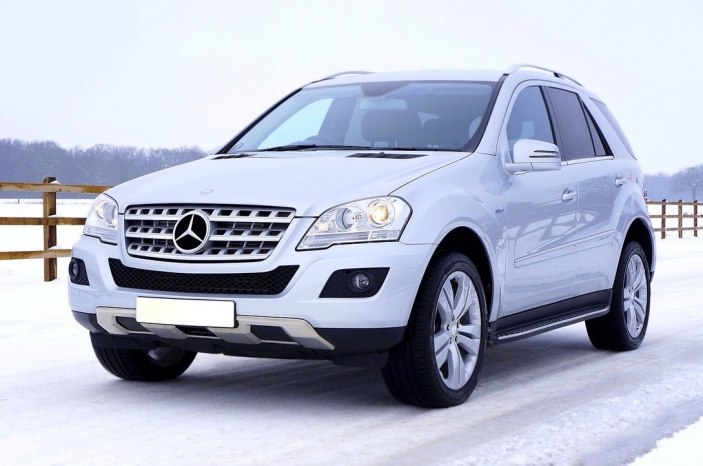
Winter driving conditions can be challenging as things can change quickly, from torrential rain and wind one day, to low, bright sun creating blinding glare the next, and with freezing temperatures and snow presenting hazards for drivers across the UK.
If you’re planning to travel during winter conditions, the first thing to do of course is to check it’s safe by looking at your local media for travel updates and checking for Met Office weather warnings.
Research shows that people who drive for a living feel more pressure to battle adverse conditions because it may be important to their business, so here’s a few useful tips that anybody travelling during the winter should take on board before setting off.
Leave more time:
During periods of snow and frost it will take more time to get on the road as you will need to clear the snow and ice from the vehicle, including mirrors and lights. This is not only common sense, but it is also against the law to drive without full visibility through all windows on the vehicle.
It’s also a good idea to carry a lock de-icer with you to clear your lock. If your locks do get frozen, try warming the key or spraying de-icer or an oil-based lubricant into the lock.
Check your tyres
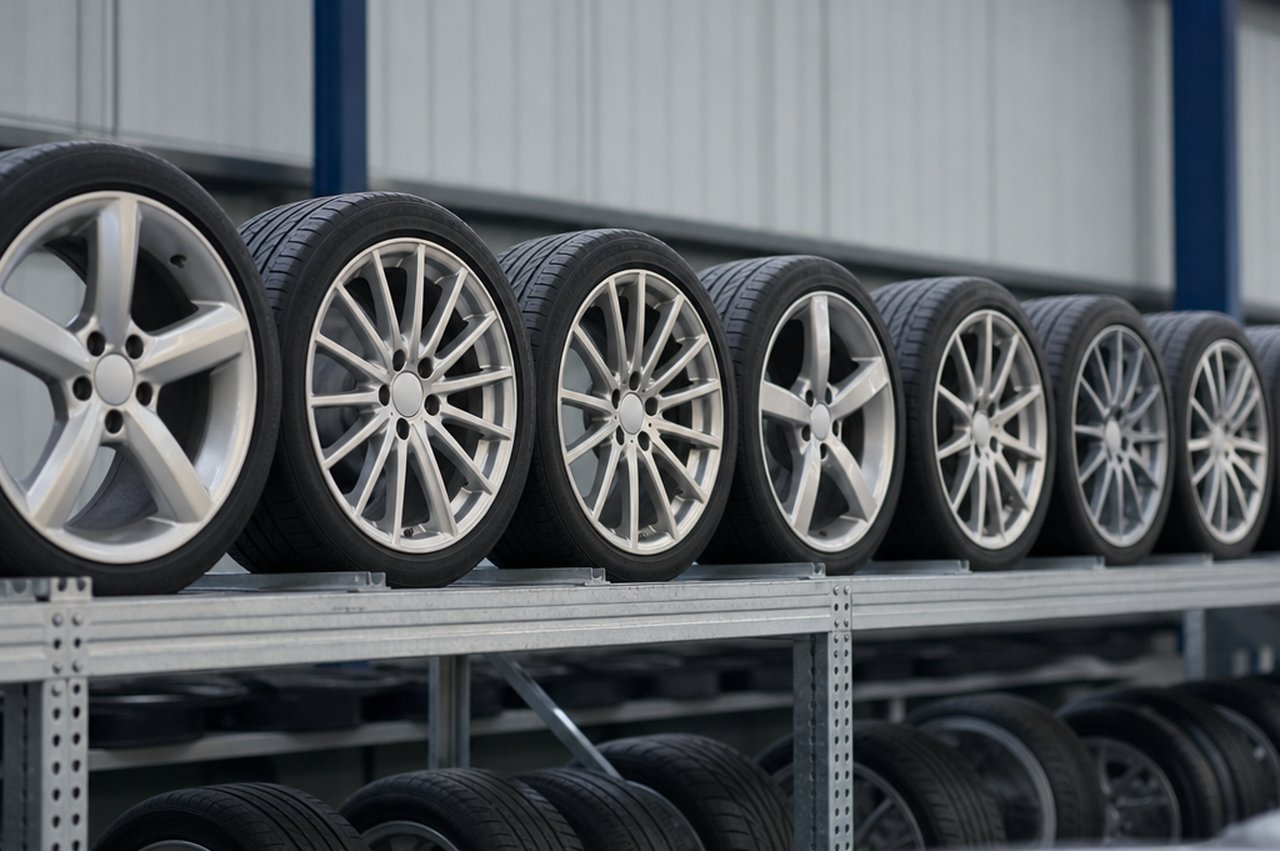
This should be a regular check in any case, but also key in winter as poor tyres will not grip when driving on snow and ice. If you live in an area where snow is common it might be worth changing to winter tyres with deeper tread.
Check your wipers
Make sure any auto wiper control is switched off before turning the ignition on as this could blow the wiper control fuse if they are frozen to the screen. Your wipers need to be in good working order so you’re able to clean your windscreen effectively.
Check you have screenwash
Use a good quality screenwash that protects down to at least -35 to prevent the water from freezing. If you don’t, your windscreen wipers could be rendered useless in extreme conditions.
Be prepared
At this time of year it’s important to be prepared for every eventuality by ensuring that your car is equipped. If you have a mobile phone, make sure it’s charged, make sure you have the number of your breakdown provider to hand. Other handy items to have in the car would be a demisting pad, torch, blanket or warm coat, something to eat and drink should you be stuck for a while. Should you breakdown it would also be good to have a hi-vis vest to make sure you are visible and a warning triangle.
Driving in the snow
It’s important to remember that your safety should be the first priority so check ahead to ensure the main routes have been cleared of snow and be aware of the conditions and your vehicle’s capabilities.
If you do need to drive during snowy conditions, here are a few useful tips:
- When moving off, use second gear as this will help reduce wheel slip - some cars have a winter mode, which does the same job, so check whether your vehicle has this function in the handbook
- Accelerate gently, using low revs and change up to a higher gear as quickly and smoothly as possible
- Get your speed right and maintain safe stopping distances between you and the car in front, leaving as much as 10 times the normal recommended gap to account for conditions.
- Approach an uphill by leaving plenty of room in front so you can maintain a constant speed, without the need for changing gear.
- Use a low gear for going downhill and try to avoid braking unless necessary, and make sure you leave plenty of space between you and the car in front
- When approaching a bend brake before you actually start to turn the wheel. If your car does lose grip try not to panic; the key thing is to take your foot off the accelerator and make sure that your wheels are pointing in the direction you want to travel in.
- If you do encounter a skid, steer gently into it - for example, if the rear of the car is sliding to the right, steer to the right. Do not take your hands off the steering wheel or stamp your foot on the brakes.
- When driving in heavy snow, make sure that you use your dipped headlights. Relying on daytime running lights is not enough, because they don’t always put lights on the back of your car.
- If visibility drops below a 100m, put your fog lights on. But remember to turn them off when the visibility improves.
- If the road has not been gritted, be wary of driving in the wheel tracks or other vehicles as compressed snow is likely to be more icy than fresh snow
- Controls such as the brakes, as well as the steering, accelerator and even gear changing should be operated smoothly and slowly
- Sunglasses can help to reduce the glare of low winter sun on the snow
- Keep your speed down and allow more time to stop and steer
- Finally, it’s important to think about the environment that you’re driving in, especially microclimates that might appear on the road. These are areas that perhaps the sun hasn’t got to, which could stay icy when the rest of the road has thawed. Bridges are a good example. They’re normally the first to freeze and the last to thaw. So be aware of that when you’re driving in open spaces.