New Pavement Parking Powers
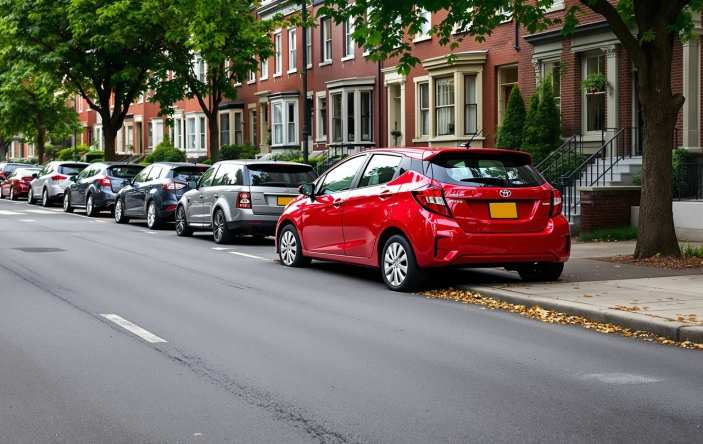
The Department for Transport (DfT) has confirmed a significant shift in how pavement parking is managed across England, will Wales be next? For years, local authorities have faced a cumbersome, street-by-street process to implement restrictions, but new legal powers are set to streamline this. These changes aim to make walkways safer and more accessible for everyone, particularly those with mobility issues or visual impairments.
At Pic-Up Spares, we understand that while many drivers feel the squeeze of narrow British streets, the safety of pedestrians must remain a priority. As a company dedicated to keeping vehicles on the road with quality recycled parts, we also believe in responsible ownership. This update represents a major step towards clearer, more inclusive streets.
The Impact of Obstructed Pavements
For most, a car parked on the pavement might seem like a minor inconvenience. However, for a significant portion of the population, it is a genuine hazard. When a vehicle blocks a footway, it forces pedestrians into the road and into the path of moving traffic. This is particularly dangerous for wheelchair users, parents with pushchairs, and older residents who may not be able to move quickly to avoid oncoming vehicles.
Organisations such as Living Streets have long campaigned for these changes. Their research indicates that a vast majority of parents have been forced into the road due to pavement parking. By giving councils the tools to manage these areas more effectively, the government is addressing a barrier that has historically shut many people out of everyday life.
New Powers for Local Councils
The DfT has confirmed that local transport authorities will receive stronger legal tools to prohibit pavement parking across broader areas. This replaces the previous system which was often criticised for being slow and inefficient. Under the new framework, councils will have the authority to issue fines to drivers who cause an unnecessary obstruction.
Local Transport Minister Lilian Greenwood has emphasised that clear pavements are essential for independent travel. The government intends to introduce secondary legislation in 2026 to enable this enforcement. This move brings the rest of England closer to the rules already in place in London and Scotland, where pavement parking is generally prohibited unless specifically permitted.