36 Yellow Boxes Net Nearly 1 Million in Fines
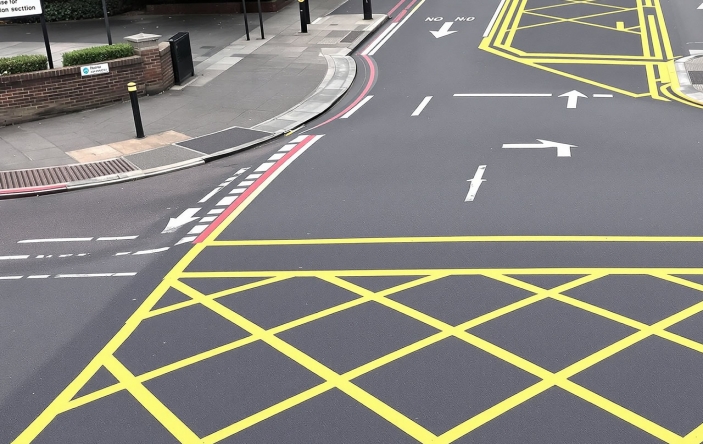
In 2024, drivers across England have paid almost £1 million in fines for stopping in just 36 yellow box junctions, according to recent data. This significant sum highlights the impact of new enforcement powers granted to local councils outside London and Cardiff, which previously held a near-monopoly on such traffic regulations.
Expansion of Enforcement Powers
Until May 2022, only councils in London and Cardiff were permitted to enforce yellow box junction rules and other moving traffic offences, such as driving the wrong way on a one-way street. However, a change in legislation allowed 27 local authorities in England to apply for these powers. Since then, 36 yellow box junctions outside the two major cities have been monitored by cameras, leading to a surge in penalty charge notices (PCNs) for drivers who stop within the marked areas.
A Surge in Penalty Notices
Freedom of Information requests sent to these councils have revealed that, in 2024 alone, 32,748 PCNs were issued to motorists for stopping in yellow box junctions. Typically, a PCN for this offence is £70, though this is halved to £35 if paid within 21 days. The data shows a wide disparity in the number of fines issued by different councils, with some areas generating far more revenue than others.
Where Are Drivers Most Likely to Be Fined?
Manchester City Council stands out as the authority issuing the most fines, with 13,130 PCNs handed out last year across six enforced yellow box junctions. This equates to 36 fines per day and has resulted in £446,706 in revenue from fines alone.
Medway Council in Kent comes second, issuing 4,433 PCNs from five yellow box junctions, which is about 13 fines per day and a total of £145,162 in fines. Buckinghamshire County Council follows closely, with 3,618 PCNs from four junctions, averaging 10 fines per day and raising £139,798.
Together, these three councils were responsible for more than 60% of all yellow box PCNs issued outside London and Cardiff last year, accounting for nearly three-quarters of the total fine income.
The Most Lucrative Yellow Box
The single yellow box generating the highest income was found at the Dennis Roundabout in Guildford, Surrey. Over a seven-month period, 4,250 PCNs were issued at this location, resulting in £81,445 in fines paid by drivers.
Disparities in Enforcement
The fact that a small number of councils are responsible for such a large proportion of fines suggests there may be issues with the design or placement of certain yellow box junctions. In some cases, the boxes may be larger than necessary or positioned in ways that make it difficult for drivers to avoid stopping within them.
Conversely, some councils have issued very few PCNs, indicating that their yellow box junctions are functioning as intended and are easy for drivers to navigate. For example, Gloucestershire City Council issued just 30 PCNs between May and December 2024, resulting in only £945 in fines from a single junction. Leeds City Council handed out 50 PCNs over four months, raising £605 from two enforced yellow box junctions.
Rules and Guidance for Drivers
The Highway Code is clear: drivers must not enter a yellow box unless their exit is clear, except when waiting to turn right and prevented from doing so by oncoming traffic. However, previous investigations have found that many yellow box junctions do not meet best practice standards. Problems include boxes that are too large, extend beyond T-junctions, or are difficult for drivers to see in their entirety.
When a council first begins enforcing a yellow box, statutory guidance requires that warning notices are issued to first-time offenders for the first six months, with penalty charge notices following thereafter.
Ensuring Fairness in Enforcement
Yellow box junctions play a crucial role in keeping traffic moving at busy intersections. As more councils outside London and Cardiff begin to enforce these rules, it is essential that they do so fairly and transparently. Most drivers do not intentionally break the rules, and the aim should be to improve traffic flow, not to generate revenue.
The high number of fines issued in a small number of locations suggests that some junctions may not be working as intended. Ideally, a well-designed yellow box should result in few fines and even fewer appeals, indicating that drivers are able to comply with the rules without difficulty.
It is important that yellow box junctions are only used where necessary and are not larger than required. They should be clearly marked and positioned so that drivers are not unfairly caught out. There have been concerns that, without updated government guidance on the design and placement of yellow boxes, drivers may continue to be penalised unnecessarily.
With more local authorities expected to begin enforcement in the coming years, it is vital that clear and consistent standards are established to ensure fairness for all road users.