Young Drivers Favour Used Auto Parts
The automotive industry is witnessing a significant surge in sustainability awareness, largely propelled by Generation Z consumers, reports Solera. A striking 80% of 17-24-year-olds are poised to adopt pre-owned automotive parts, signalling a pivotal shift towards eco-conscious practices.
-
Generation Z Influence:
- Generation Z individuals express deep concerns about the planet's future.
- 82% are worried about the environment, with 76% actively modifying their behaviours to mitigate environmental impact.
-
Industry Impact:
- Gen Z currently constitutes a modest portion of the automotive market, accounting for 26% of the global population.
- Their influence is set to amplify as more of them reach driving age.
Solera underscores this as a critical juncture for the automotive sector, emphasising the necessity to engage with this environmentally mindful cohort. As Generation Z assumes a greater presence behind the wheel, the industry must adapt, exploring avenues to reduce its ecological footprint. By attuning to the evolving preferences of this influential demographic, automotive leaders can chart a course towards sustainable growth and environmental stewardship.
- Adaptation Imperative:
- Industry must adapt to the environmentally mindful preferences of Generation Z.
- Exploration of eco-friendly practices is crucial for long-term sustainability.
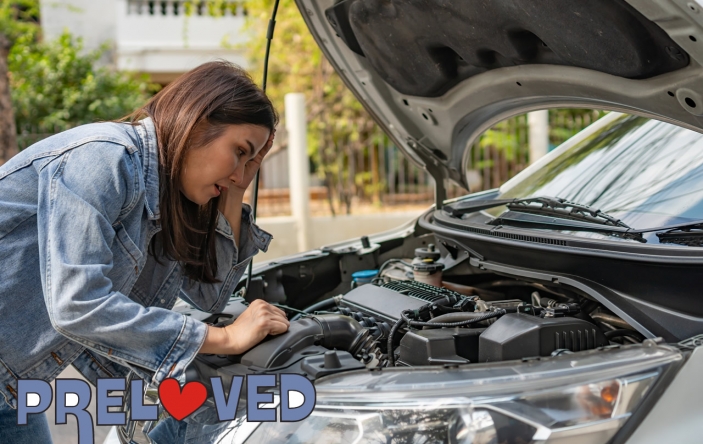
In a parallel to the fashion industry's sustainability evolution, the automotive sector must redefine perceptions of "used" car parts as "pre-loved" to resonate with eco-conscious Gen Z consumers. To achieve this, there's a pressing need to challenge the stigma associated with pre-owned parts.
- Redefining Perceptions:
- Shift from "used" to "pre-loved" terminology.
- Challenge stigma associated with pre-owned parts.
Insurers, body shops, and garages bear the responsibility of enlightening their clientele. While there's a prevailing misconception about used car parts being inferior, the reality is starkly different. Pre-owned parts, far from compromising safety, offer efficiency, sustainability, and cost-effectiveness without sacrificing performance.
- Consumer Education:
- Responsibility lies with insurers, body shops, and garages to educate consumers.
- Clarify misconceptions about the quality and safety of pre-owned parts.
This transition towards embracing used car parts isn't merely a superficial greenwashing effort—it holds transformative potential for the industry. Research from Allianz suggests that a mere 2% increase in repair rates across Europe could significantly reduce annual CO2 emissions by 30,000 tons.
- Transformative Potential:
- Embracing pre-owned parts can lead to significant environmental benefits.
- Even small increases in repair rates can have substantial CO2 reduction impacts.
Encouragingly, the groundwork for this transformation among Generation Z is already laid. Solera's findings reveal that 80% of 17-24-year-olds are inclined to embrace pre-loved automotive parts, provided there's a guarantee attached. This contrasts sharply with the 58% figure for other age demographics.
- Generation Z Acceptance:
- 80% of 17-24-year-olds are ready to embrace pre-loved automotive parts.
- Guarantee attached to parts is crucial for acceptance.
Garages stand to benefit by heeding this trend. Embracing sustainable practices, offering green parts as alternatives, and catering to the preferences of Gen Z can confer a competitive edge and foster customer loyalty within this demographic. As more drivers seek environmentally friendly options, aligning services with eco-conscious preferences will attract a broader customer base.
- Business Opportunities:
- Adapting to sustainable practices can provide a competitive edge.
- Catering to Gen Z preferences fosters customer loyalty and attracts new customers.