Car Dashboard Warning Lights and There Meanings
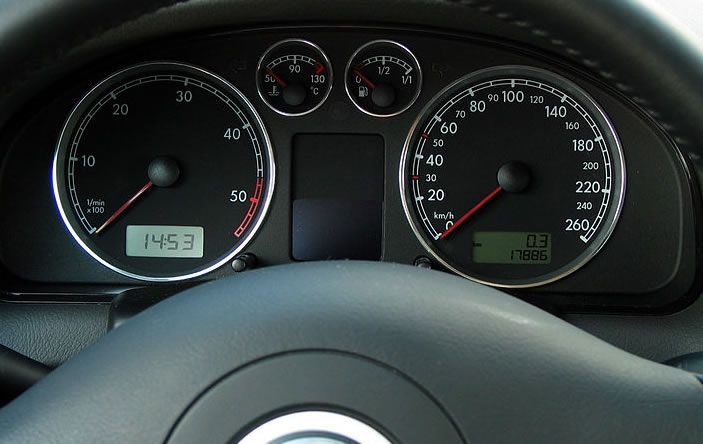
These days, modern cars are filled with complex electronics and sensors to monitor how your vehicle is behaving and so it's important to know and understand what your car dashboard warning lights mean as you may be able to avoid a car breakdown or a more costly full-on vehicle/engine failure.
Here is a useful guide to the various yellow and red warning lights on your dashboard mean, why they come on, how urgent the problem may be and what you should do when you see them light up.
Your dashboard warning lights follow a traffic light colour system:
- Green means the system is working correctly or is currently in use.
- Yellow means something is not working correctly so you should take extra care and check it out as soon as possible.
- Red means that there is a more serious, and potentially dangerous problem so you should follow the on screen instructions with more urgency and probably stop driving when it is safe to do so.
 |
Airbag warning light - Also known as the supplemental restraint system (SRS) warning light. When this light goes red it means that at least one element of the airbag safety system is not working correctly: either the airbag system itself; the front passenger occupant classification system (which detects the front passenger’s weight and position in order to safely deploy the airbag); or the seat belt pretensioner system, which tightens the belt in the event of a crash. |
 |
Also known as the battery charge light or battery charging system light - If this light comes on when you’re driving it indicates that the battery is not charging. This could be due to a problem with your car’s electrical system and it could have several causes, such as a faulty alternator, faulty battery, bad electrical connection or damaged cabling. |
 |
Brake pad warning light - Also called the brake pad wear warning light, if this symbol shows up it means a sensor has detected your brake pads are too thin. |
 |
Brake warning light - Also known as the brake system warning light, parking brake warning light or brake fluid warning light. If this red light remains on after you fully release the parking brake, or comes on when you’re driving, it may indicate that the brake fluid level is low. Unless you know how to check your brake fluid levels yourself, this will be one for the professionals. If the ABS warning light is also illuminated this signals that the braking system has malfunctioned and your brakes may not work properly. In this case the Electronic Brake Force Distribution (EBD) warning light may also be illuminated. |
 |
Coolant levels warning light - Coolant fluid absorbs the heat from your engine and disperses it through the radiator to prevent your engine from overheating. This yellow warning light will come on when coolant levels are running low, to remind you to top them up. |
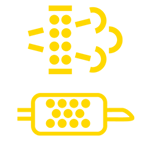 |
Diesel particulate filter warning light - Also known as the DPF or exhaust particulate filter warning light. If you have a diesel, one of these lights will come on if there is a problem with the exhaust particulate filter, which removes harmful soot from the exhaust gases to reduce emissions. It could indicate that the filter has become blocked with soot. |
 |
Engine temperature warning light - Also known as the coolant temperature warning light. This light will come on when the engine is overheating. This could mean that coolant levels are running low, perhaps due to a leak in the system, or it could be a sign of a larger problem, like a head gasket failure. |
 |
Engine management light - Also known as the check engine or ECU warning light. When the engine management light is illuminated it’s often accompanied by tell-tale signs that the engine is not working properly, such as a lack of power or stuttering as you press the accelerator. This light could indicate a number of faults, from minor issues like a broken electrical sensor to a much larger mechanical issue, like a fault with your emission control system or catalytic converter. |
 |
Oil warning light - Also known as the low engine oil or low oil pressure light. The oil warning light comes on when either the oil temperature gets too high or the oil level or pressure is too low. If the oil is not lubricating the engine effectively it could lead to expensive or even irreparable engine damage, so it’s important to act quickly. |
 |
Electronic stability problem (ESP) warning light - Also called Electronic Stability Control (ESC), this warning light indicates a problem with traction control. If it’s flashing it means the ESP system is intervening – for example, if you’re driving on a slippery road. If the light stays on it means the ESP system is not working properly. The ESP light will light up with the word ‘OFF’ if the system has been deactivated, in which case you may have inadvertently turned it off. To check, try stopping and restarting the engine. If the light remains on after restarting get it checked at a garage as the ESP system is an important safety feature. |
 |
Power steering warning light - Also known as the EPS or EPAS warning light. This warning light indicates that there’s a problem with the power steering. For electric powered systems, this problem could be as simple to fix as rebooting a computer. Find a safe place to stop and try turning the car off and back on again after 30 seconds. If the light stays on you should take your car to get checked as soon as possible. |
If you can't see the light you need simply check your vehicles handbook, visit the car's manufacturer website or call your local manufacturer depot to check for specific warning light meanings.